ADA Lawsuits: Recent Cases, Costs and How to Avoid One



ADA lawsuits are continuing to rise, and businesses across the United States are paying the price for overlooking accessibility requirements.
From small local companies to national brands, organizations are facing costly legal action over websites, premises, and digital content that fail to meet ADA standards. In fact, the Americans with Disabilities Act has become one of the most heavily litigated federal laws in the country, with a significant concentration of cases emerging from states such as California and New York.
The financial and reputational impact of an ADA lawsuit can be severe, but in many cases, it is entirely preventable.
In this article, we’ll explore the latest ADA lawsuit trends, recent high-profile cases, the potential costs businesses face, and the practical steps you can take to reduce your risk and stay compliant.
A Look at Recent ADA Lawsuits
ADA web accessibility lawsuits continued to rise throughout 2025 and into 2026, with thousands of businesses facing legal action over inaccessible websites, mobile apps, and online booking systems. And it’s the retail, hospitality, eCommerce, restaurant, and entertainment sectors that seem to have been targeted the most.
Fashion Nova

Online fashion retailer Fashion Nova became the subject of a major accessibility class action after visually impaired consumers alleged that the company’s website could not be used properly with screen readers. The lawsuit claimed blind users struggled to browse products, navigate menus, and complete purchases without assistance.
In 2026, the U.S. Department of Justice reportedly questioned a proposed settlement after the website created for affected users to submit claims allegedly contained accessibility issues of its own.
Key takeaway: Accessibility issues don’t end with your main website. Checkout systems, forms, support portals, and settlement pages must also comply with accessibility standards.
SeaWorld and United Parks & Resorts

United Parks & Resorts, which is the parent company of SeaWorld, faced a Department of Justice lawsuit over alleged discrimination against disabled visitors.
The case centered on policies affecting guests using mobility devices, with the DOJ arguing that the company violated ADA protections by restricting access for certain visitors with disabilities.
Although this case extended beyond website accessibility alone, it highlights a growing trend: businesses are increasingly being examined for both physical and digital accessibility failures simultaneously.
Key takeaway: ADA compliance must be approached holistically across customer experience channels, both online and offline.
Domino’s Pizza

Domino’s Pizza remains one of the most influential ADA website accessibility cases and continues to shape litigation trends in 2025 and 2026.
The lawsuit alleged that blind users could not successfully order food through Domino’s website and mobile app using screen readers. Courts ultimately reinforced that digital platforms connected to physical businesses can fall under ADA requirements.
The case is still frequently referenced in today’s ADA claims and compliance guidance because it established a major legal precedent for website accessibility.
Key takeaway: If your website or app provides services tied to a physical business, accessibility compliance is no longer optional.
Rolex
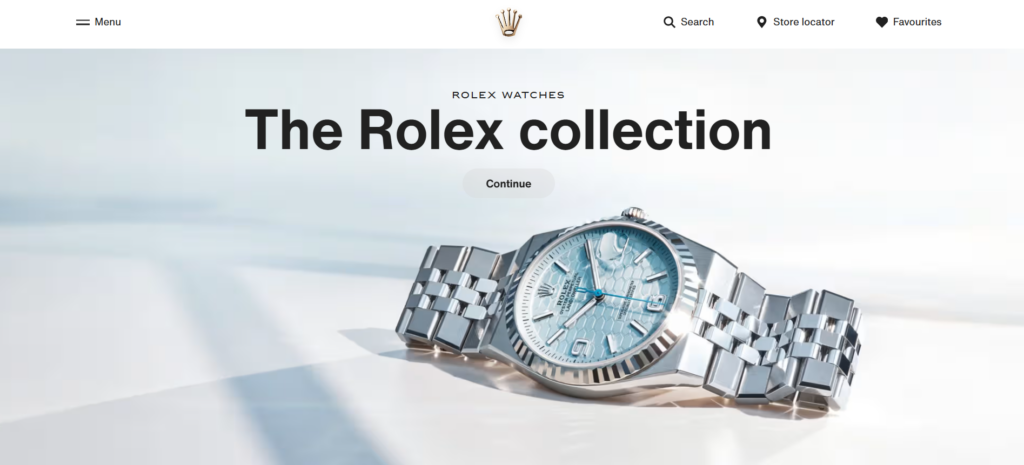
Luxury watch brand Rolex has also been named in accessibility litigation relating to website usability for visually impaired users.
Claims reportedly focused on barriers involving screen reader compatibility and navigation issues that prevented equal access to online content and shopping features.
High-end brands are increasingly targeted because plaintiffs’ firms often focus on companies with strong revenues and recognizable names.
Key takeaway: Large, well-known brands are not immune, and brand reputation can suffer in a big way alongside legal costs.
Amazon
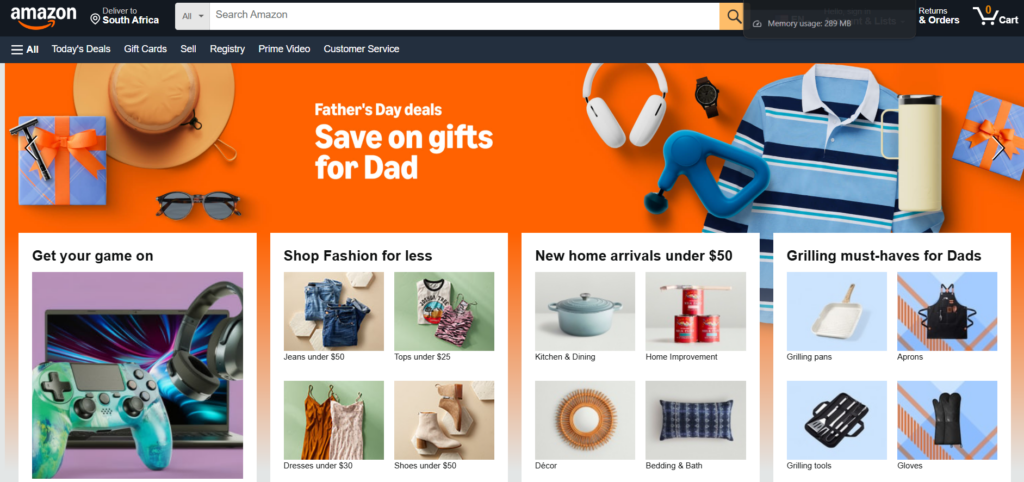
Amazon has faced a few accessibility-related lawsuits connected to digital usability barriers on its platform.
Cases involving large eCommerce companies like this often focus on issues such as inaccessible navigation menus, missing alternative image text, keyboard navigation failures, and incompatibility with assistive technology.
Almost everyone shops online now, so courts continue to treat accessibility barriers as a serious consumer rights issue.
Key takeaway: eCommerce businesses face especially high risk because inaccessible websites can directly prevent users from making purchases.
ADA Compliance Lawsuits: Statistics and Trends (2025/2026)
ADA website accessibility lawsuits rebounded sharply in 2025. According to Seyfarth Shaw, plaintiffs filed 3,117 federal website accessibility lawsuits in 2025, up 27% from 2,452 in 2024. These cases made up 36% of all federal ADA Title III lawsuits filed that year.
However, federal cases only show part of the picture. UsableNet’s 2025 year-end data found that more than 5,000 digital accessibility lawsuits were filed across federal and key state courts, covering websites, mobile apps, and other online services.
ADA accessibility claims can also be expensive to resolve. While many website accessibility lawsuits settle before trial, industry estimates suggest settlements commonly range from $5,000 to $50,000, with total costs increasing substantially once legal fees, remediation work, audits, and ongoing compliance requirements are included.
So, what should you take from all of this as a business owner? Several trends stand out:
State courts are becoming more important
While federal filings increased, many plaintiffs are also moving claims into state courts, especially in states such as New York, California, Florida, and Illinois. Seyfarth notes that state-court lawsuits and demand letters are not fully captured in federal filing totals.
Repeat lawsuits are common
UsableNet reported that 1,427 digital accessibility lawsuits in 2025 targeted companies that had already faced an ADA web accessibility claim. In federal court alone, repeat defendants accounted for about 46% of cases.
E-commerce and consumer-facing businesses remain high-risk
Online retail, restaurants, food and beverage brands, fashion, health, beauty, home goods, and other transaction-heavy websites continue to attract a large share of claims because accessibility barriers can directly prevent users from browsing, booking, ordering, or checking out.
Accessibility widgets are not a complete defense
A growing number of lawsuits involve websites that already use accessibility overlays or widgets. This reinforces an important point: overlay tools can help identify issues, but they cannot replace proper WCAG-based remediation, manual testing, keyboard testing, screen reader testing, and ongoing accessibility monitoring.
Regulation is becoming clearer for public entities
The Department of Justice’s Title II web and mobile app accessibility rule requires state and local government web content and mobile apps to meet WCAG 2.1 Level AA. In April 2026, the DOJ extended the compliance deadlines to April 26, 2027 for larger public entities and April 26, 2028 for smaller public entities and special district governments.
The takeaway is clear: ADA website litigation is not slowing down. The risk is expanding beyond basic website pages to mobile apps, checkout flows, booking systems, digital forms, PDFs, videos, and third-party platforms. Businesses that rely on digital channels should treat accessibility as an ongoing compliance and user experience priority, not a one-time website fix.
What Happens When You Receive an ADA Compliance Lawsuit
So, what exactly happens when you get sued?
1) The demand letter arrives.
The first step in an ADA compliance lawsuit is the demand letter. Many of these demand letters contain the same information from one lawsuit to the next.
Nonetheless, you must review the claims in the letter and determine if they’re relevant to your digital assets.
2) Look for legal counsel.
Of course, you need a lawyer for your case. While it can get expensive, finding one with expertise in internet accessibility law and equal rights is the way to go.
With the help of your lawyer, you can build a case and disprove the claims. The goal here is to create a solid defense that proves your website is accessible.
3) Go to trial.
Once your defense is ready, you’ll likely go to trial. Remember that penalties apply for missing a trial, ranging from $50,000 to $100,000.
4) Make the case.
An expert must attest to this fact if you’re correct and your site is accessible. You won’t have to hire an expert if you’re a web developer.
However, you have to hire an unbiased technical expert to witness your case if you aren’t. They must have the technical knowledge to provide detailed testimony on the technical aspects of your site.
5) It isn’t over yet.
You technically win the case if your site is proven to be compliant. However, the plaintiff can still file an appeal to higher courts.
If your site is noncompliant, then prepare for things to get even more expensive. You will be expected to pay a fine at the judge’s discretion.
Here’s something to remember: some lawyers exploit the law and file the lawsuit directly. There’s also something called ADA lawsuit abuse.
ADA lawsuit abuse occurs when someone files ADA compliance lawsuits without suffering real injuries.
It usually involves a person visiting several business establishments to identify ADA violations, like lack of wheelchair ramps. Then, the person will proceed to sue the business for injuries.
Now’s a great time to ensure you’re not easy prey. With AccessibilityChecker.org, you can sign up for a 7-day free trial to determine where your website stands.
Avoiding Lawsuits
Lawsuits can get expensive quickly, so you want to avoid them as much as possible.
This is how you can do that.
- Understand laws, rules, and regulations. Understanding accessibility guidelines like the WCAG will help you avoid ADA compliance lawsuits.
- Research laws in your particular state, city, or country. Winning ADA compliance lawsuits starts with knowing which laws apply to you in your specific state, city, or county.
- Do an audit. Auditing your site is an essential step in being compliant. It helps you identify possible accessibility issues and ways to fix them.
- Publish an accessibility statement on your website. If you don’t have an accessibility statement, generate one and post it on your site. Also, make sure that the page itself is accessible.
- Design and develop for accessibility. If you plan to comply with the ADA, one of the most important steps is having an inclusive website design.
- Keep checking and updating. With the changing digital landscape, the needs of disabled people change too. That said, you must keep yourself up-to-date with laws and regulations.
Summary
As a business, your social responsibility is to promote inclusivity by making your website accessible.
Along with complying with legal requirements, accessibility can benefit your business by broadening your customer base and strengthening your brand.
Start by conducting an audit to understand where your website lies on the scale of accessibility, and then make an effort to make the necessary changes.
AccessibilityChecker.org
Scan your website for accessibility related issues for free